

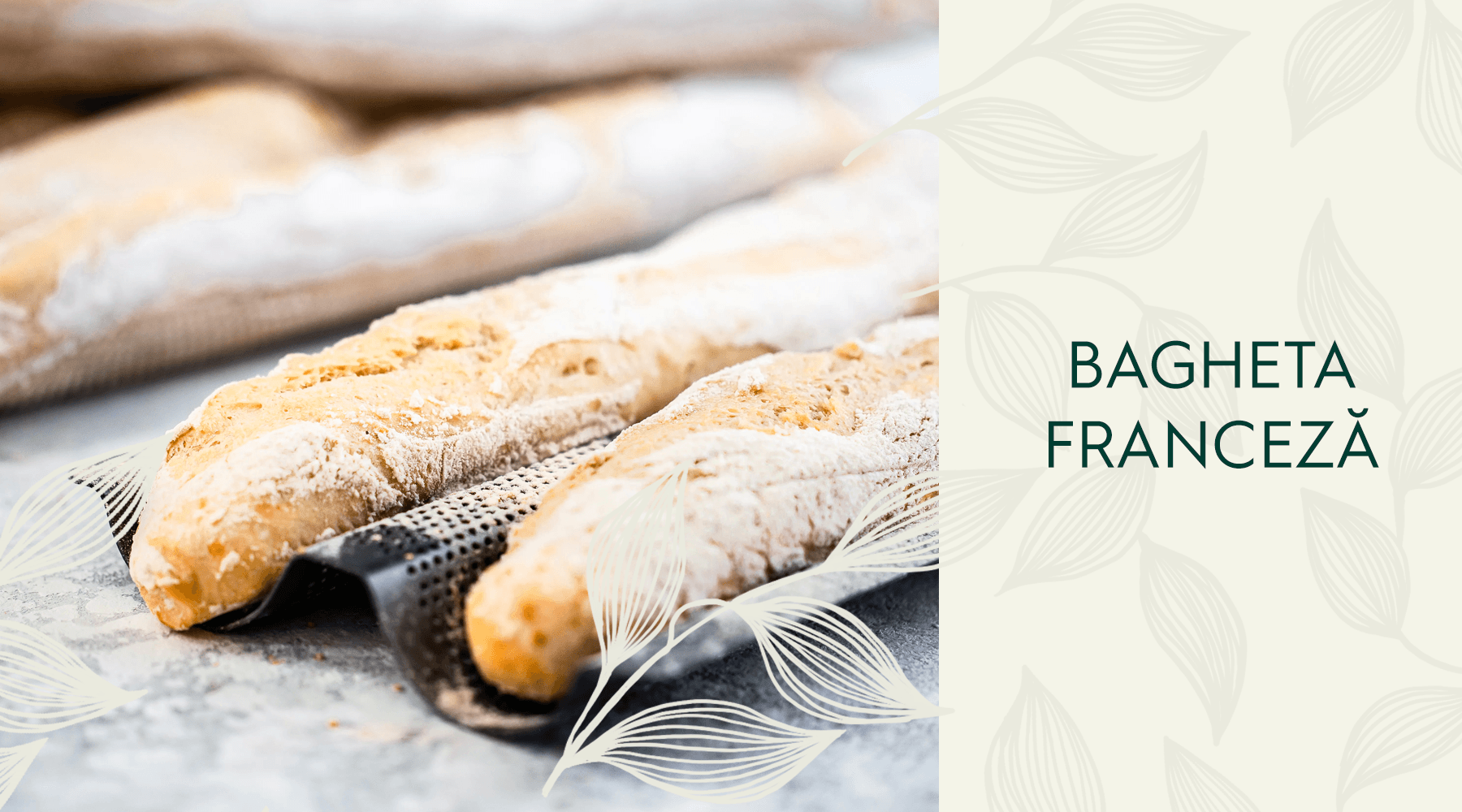
The baguette is a symbol almost as popular as the Eiffel Tower and the black beret. The French are proud that over time the baguette has become a national symbol.
The funny thing is that this long bread was not invented in France, but it became so popular there that it was adopted as a national symbol.
The National Association of French Bakers has petitioned for the baguette to be recognized as cultural heritage. They say this will protect it from globalization without losing its name, shape, recipe, ingredients, and baking techniques.
The Legend of the Baguette
One of the most popular legends regarding the origin of the baguette is that of Napoleon. It is said that before an important battle, Napoleon's bakers invented a new type of bread.
Long and thin, it could be easily tucked into pockets, allowing soldiers to carry it with ease. However, this is just a legend, and the truth about the baguette's origin might not be entirely to the liking of Parisians.
What is the truth?
No official or unofficial source mentions Napoleon's soldiers going into battle with a long piece of bread in their pockets. This is just a legend because no soldier could have carried baguettes with him on the battlefield.
In fact, the baguette is attributed to Austrian bakers, who invented a special oven. This oven could reach 205 degrees Celsius, which was an innovation for its time. The heated steam caused the bread crust to expand more, and the interior, due to its higher air content, became fluffy and light.
The "Austrian roll," as this delicacy was called, was brought to Paris in 1815. Napoleon was already in exile on Saint Helena, and the first to eat the long, thin bread were Austrian soldiers on the streets of Paris.
That's not all. The whole of France did not start eating Austrian rolls overnight. The tradition of crispy morning baguettes in Champs Elysees is relatively young and dates back to the 1920s. Long rolls probably wouldn't have become popular if it weren't for World War I. Many people died in that war, and labor became increasingly scarce. The recruitment of bakers was a necessity during the war, and bakers were hired from numerous places in Europe. They had no experience, but the long bread was the easiest to make.
By governmental decision – a baguette on every table!
In 1920, a regulation was issued stating that bakeries could start operating at 4 AM at the earliest. In this situation, the only bread that could be ready for breakfast was baguettes.
French boulangeries quickly saw a gold mine in this amusing roll. The customer was only interested in the fresh and crispy traditional baguette, one that had been baked less than an hour ago.
A consumer who wants truly fresh bread throws away the "old" bread and returns to the bakery for a new baguette. Fluffy, crispy, and with a golden crust, just as it was invented in Vienna.
French Baguette – standard appearance and content
A traditional French baguette is made from flour, water, yeast, and salt. It's fascinating how these four simple ingredients produce a beautiful, aromatic, crispy baguette. What's even more fascinating is how bakers, using the same ingredients, can make baguettes that sometimes differ quite substantially from each other.
The history of the baguette continued into our days. On September 13, 1993, the so-called "bread decree" was adopted by the government of Edouard Balladur. Through this document, the production of the French baguette was strictly regulated. The recipe's composition was to consist only of:
- flour
- water
- salt
- yeast
Besides the limited quantity of ingredients, the French baguette is considered traditional only if:
- it reaches a length of 65 cm
- it has a width of 5-6 cm
- its thickness is 3-4 cm
- and it weighs 200 grams
How to make a baguette?
This recipe uses yeast and is influenced by the method used by Anis Bouabsa , winner of the 2008 " Best Baguette in Paris" competition. In an interview, Anis mentioned using dough with 75% hydration (meaning the ratio of water to flour), very little yeast, kneaded, folded three times in an hour, then refrigerated for 21 hours.
She added that baguettes don't fully rise when put into the oven, but it's the wet dough and the very hot oven that make the baguettes fluffy.
Baguettes are impossible to bake without dedicated molds, which you can find at Eclair.
Experiment and enjoy :)


Share:
Sushi: The History of Fish and Rice
How to properly burn WoodWick candles