

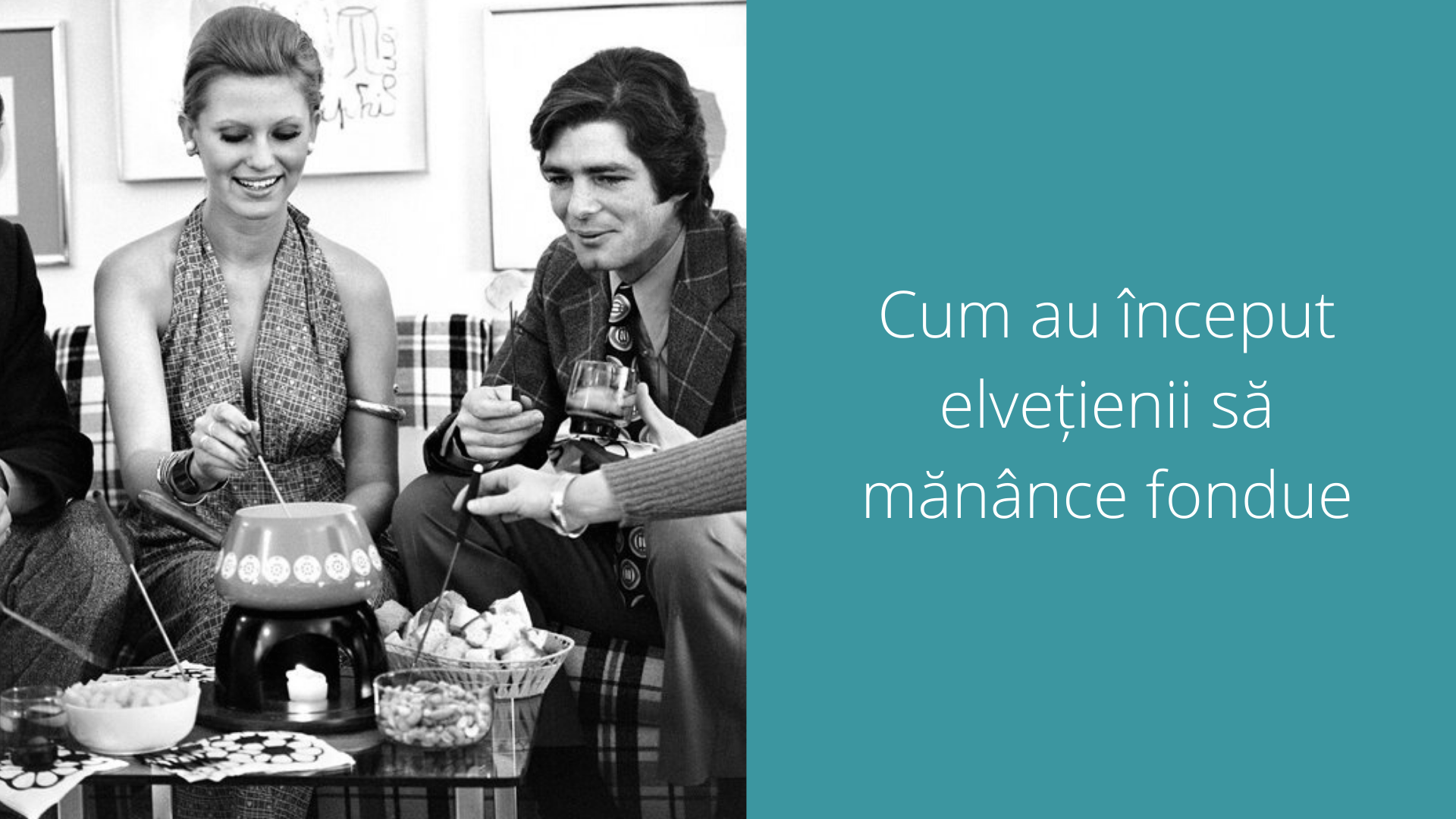
History
The first written recipe appeared in the 18th century in cookbooks from Belgium and France. Fondue is typically prepared in a pot called a caquelon; the most important thing is that it retains heat and distributes it evenly for a longer period. Diners dip bread cubes, each approximately 1 cm, and swirl the cheese around them for a few seconds.

Sanctions and etiquette
Fondue is a very social and extremely fun dish. Losing your bread in the pot is not good etiquette, and a Swiss person might assign you a humorous penalty, such as washing the dishes, singing a song, buying a round of drinks for all the diners in the restaurant, or even running naked through the snow.
The religion of Swiss taste
Instead of eating the last bit of melted cheese from the bottom of the pot, let the flame continue to cook the cheese on the bottom of the pot until it forms a dark crust. This crust is considered a delicacy and is called "religieuse." It is removed from the pot, cut, and served at the end of the meal.
Cheeses used and the recipe
There is no standard recipe for fondue; it is usually a "moitiè-moitiè" or "half-and-half" combination of Gruyère and Vacherin Fribourgeois. However, in Eastern Switzerland, Gruyère is mixed with Appenzeller, in Valais you will enjoy a mix of Gruyère and Raclette, and in Bern, Emmentaler is most often used. All these cheeses share an inviting aroma and melt wonderfully.
Customize your fondue with...
Although cheese, wine, and garlic are the basic ingredients of Swiss fondue, you will also find other supplementary ingredients with which you can perfect the taste to your liking, for example, you can add mountain herbs, paprika, cayenne, nutmeg, mustard, and occasionally, tomato coulis. The bread is always robust and can be white or brown, cut into bite-sized pieces. Fondue is often accompanied by potatoes, gherkins, and pickled pearl onions, but we really like how things have evolved and fondue can be accompanied by a wide variety of vegetables, shrimp, steak slices, etc. Accompanying drinks are white wine, tea, and sometimes a glass of kirsch. Although the Swiss consider fondue a main course, you can also enjoy it as an appetizer.

Sweet-sweet
The sweet side of the caquelon pot is the possibility to use it for a delicious chocolate fondue, accompanied by fruit and biscuits.
We hope we've made you crave a true fondue, and below you'll find the link to the fondue sets we have in stock.



Share:
How to make the perfect French Press coffee
A keen eye for valuable things will spot culture even on a plate