

Macarons
Macarons are one of my favorite desserts.
The meringue cookie is like a bite of happiness for loved ones and perfectly accompanies a tea ceremony.
The recipe came to France from Italy in 1533, brought by Catherine de Medici and her head chef. The macaron was perfected by the French pastry chef Pierre Desfontaines, who added cream to the cookie and stuck two together.
Thus, they created one of the most famous sandwich cookies in the world - the macaron.
Consequently, he also opened one of the most famous cafes in the world in 1900, Ladurée, which specializes in macarons and is located in Paris.
Ingredients
- 2/3 cup almond flour (71 gr)
- 1 cup powdered sugar (117 gr)
- 2 egg whites
- 1/4 cup sugar (30 gr)
- condensed milk
- Himalayan salt
Instructions
- Preheat the oven to 170 degrees Celsius. Grind the almonds in a food processor for one minute if you have them whole, then add the powdered sugar and process for another minute. It's important that they are blanched; if they have skin, soak them overnight in water and then peel them.
- Beat the egg whites with a mixer until you get a meringue, start at medium speed for about 2 minutes, add the sugar and beat for another 2 minutes.
- Add the food coloring if you have it. Choose a powder or gel coloring, as a liquid one can spoil the composition, and mix with the mixer for 30 seconds at the highest speed.
- Mix all ingredients until you get a homogeneous mixture. If you mix too much, you risk having flat macarons. If you mix too little, they might crack.
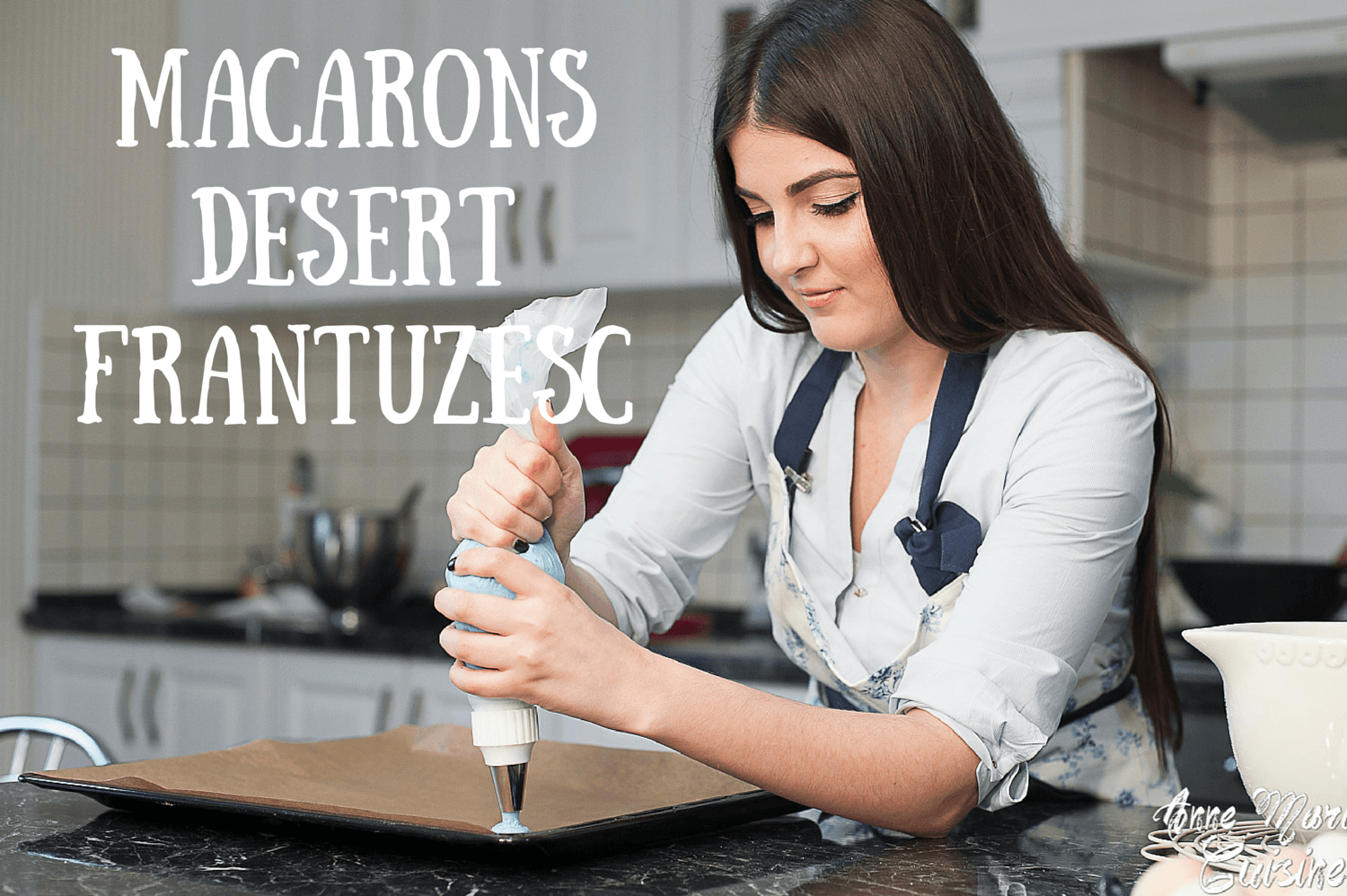
- Put the mixture in a pastry bag and pipe them onto the lined tray. You should get about 35-40 cookies. Tap the tray on the table 3-4 times until the macarons become flat.
- Let them rest for 15-20 minutes; they should not stick to your finger when touched.
- Bake them on the bottom rack of the oven for 13 minutes.
- Apply caramel or another type of cream such as buttercream or jam.
Bon Appétit!




Share:
Chia Banana Pudding
Lebanese Tabbouleh Salad