
Pasteis de Nata
I have sincerely waited so long for the moment when I would share the recipe for the Portuguese tart Pasteis de Nata. Without exaggeration, it is the most beloved dessert by my family. The Portuguese eat it every morning with a strong espresso, with which it pairs perfectly.
It was invented in the 18th century by some monks who earned their living by selling these desserts. After the liberal revolution, many monasteries closed, and a sugar refinery bought the recipe and opened the Pasteis de Belem factory, named in honor of the Santa Maria de Belem monastery.
The most interesting thing is that many have interpreted this recipe for Pasteis de Belem, but all of these are called Pasteis de Nata, and only those made according to the secret recipe have the right to be called Pasteis de Belem.
Ingredients
(for 24 tarts)
- 600 gr puff pastry
- 500 ml milk
- zest of one lemon
- 1 cinnamon stick
- 60 gr wheat flour
- 500 gr sugar
- 250 ml water
- 7 egg yolks
Preparation method
- Roll out the puff pastry, then cut it into 24 rounds.
- Press the dough evenly into the molds, cutting off any excess.
- Mix half a cup of milk with the flour to get a homogeneous mixture; heat the remaining milk, adding cinnamon and lemon zest.
- At the same time, place the sugar and water in a saucepan and boil until it reaches 100°C.
- Incorporate the flour and milk mixture into the bowl with the hot milk and whisk quickly to avoid lumps. Add the boiled sugar water (to the flour and milk mixture) and continue to whisk.
- Strain the cream through a sieve to obtain a smooth cream and distribute it into the molds, covering 3/4 of the dough.
- Bake in the oven at 250°C for 17 minutes until the crust is golden brown.
Tips
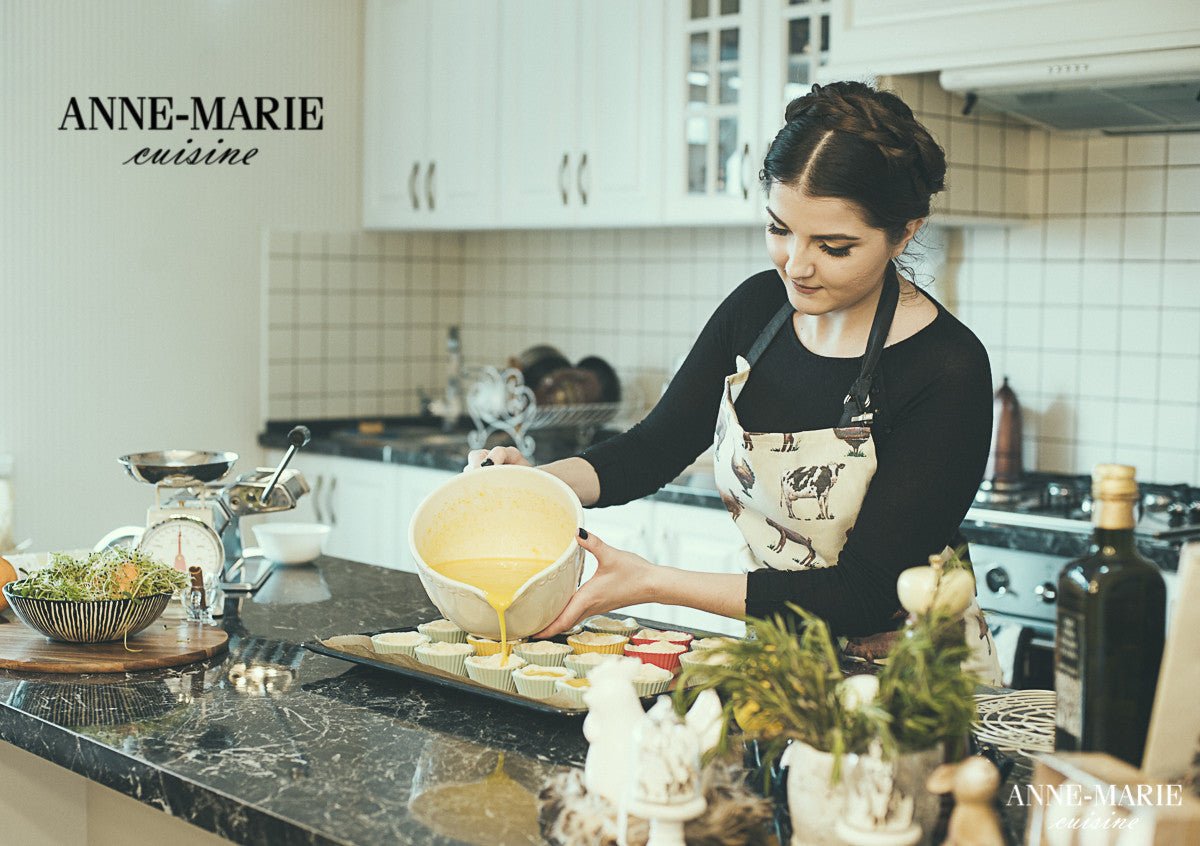
If you find metal molds or if you travel to Portugal, acquire a set of typical metal molds for this purpose; they will certainly come in handy. I used silicone molds, which are universal and not inferior to traditional ones.
Making Pasteis de Nata is very simple and only requires two things: to love deeply those for whom you are cooking and to have a little bit of time.
Bon Appétit!




Share:
French Onion Soup
Campbell-style Easter egg decoration