

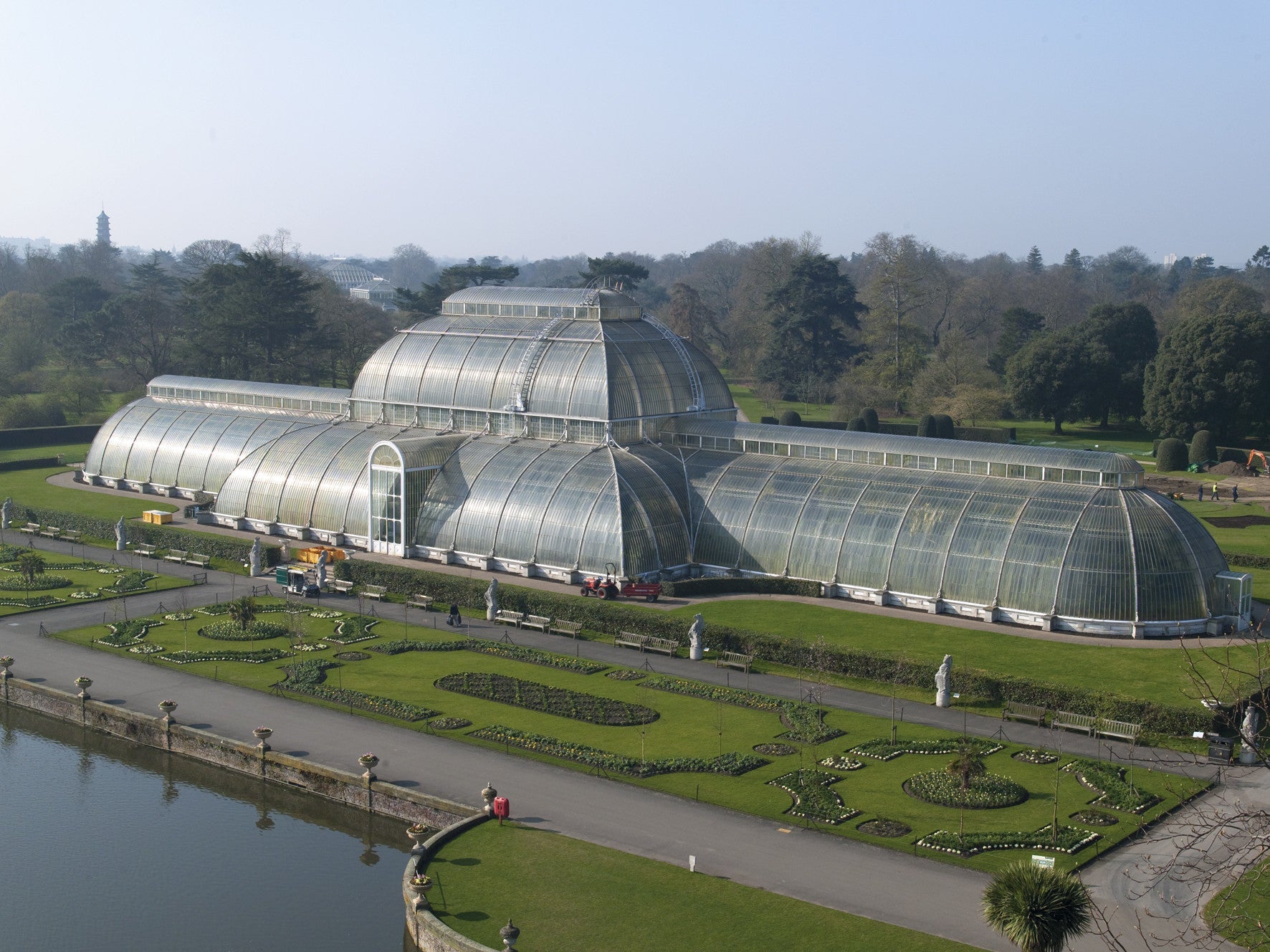
Kew Gardens - one of the largest botanical gardens in the world
The Royal Botanic Gardens are the custodians of the most beautiful British garden, founded in 1759 and declared a UNESCO World Heritage site in 2003.
Over the last 250 years, the Royal Botanic Gardens, Kew, have made countless contributions to the growth and study of plants and fungi, with many benefits for humanity. One of the garden's values is the conservation and assurance of sustainable life for nature.
Kew Gardens spans 300 acres and is located right by the Thames, between the boroughs of Richmond and Kew in southwest London.
A little bit of history
Since ancient times, Kew Gardens has been considered royal property, with the boroughs of Richmond and Kew belonging to the royal family. In 1730, King George II and Queen Caroline lived in Ormonde Lodge in Richmond, and their son, Prince Frederick - in the borough of Kew. After Frederick's death in 1751, his widow, Augusta, established a small botanical garden, covering only 9 acres. With the help of architect William Chambers, she designed a greenhouse and built several impressive buildings, including the arch.
In 1760, King George III inherited Richmond. With the idea of renovating and modernizing the park, he invited the famous landscape architect of that time - Capability Brown. In 1772, after the death of King George III's mother, he also inherited the borough of Kew. And that's when Kew Gardens prospered.
Under the leadership of Sir Joseph Banks, a series of rare plants from all over the world were collected.
Since 1841, Kew Gardens has been known by its current official name. Under the leadership of Sir William Hooker, the garden's territory was expanded. Seven years later, Palm House was built. This is one of the masterpieces of the Victorian style. The structure, with its metal and glass framework, greatly resembles the famous Crystal Palace. A little later, the building housing plants from temperate climates was designed and constructed.
Kew Gardens is a modern park
Even though it has 300 years of history, Kew Gardens is a modern park. It features wide lawns, flowers, and evergreen vegetation. But it should not be forgotten that Kew Gardens also has another purpose - it is a botanical research center with the largest plant collection in the world. Plants from all corners of the world are preserved here. There is also an art gallery with various exhibits and photographs related to vegetation. In addition, Kew Gardens features the following museums: Evolution House, Grass Garden, and Wood Museum. In the latter, visitors "can get acquainted" not only with a variety of trees (approx. 14 thousand) but also with the paper manufacturing process.
Kew Gardens Dinnerware by Eclair
Kew Garden has a gift shop with various porcelain items featuring rare flower species from the garden.
The assortment ranges from gift tea sets to entire collections of dinnerware that you can find with us.
https://www.eclair.md/collections/kew-gardens
With every purchase of Kew (Royal Botanic Gardens) dinnerware, you will contribute 5% of the purchase amount to the conservation of endangered flowers preserved by scientists from the aforementioned institution.

The Lavender collection, crafted from very fine porcelain, is the perfect choice for savoring quintessential parties in the finest English traditions. These elegant pieces express the complexity and natural beauty of lavender.

Meadow Bugs is a beautiful collection through which you can enjoy the English tradition of afternoon tea. The dinnerware delicately illustrates the flowers and fauna from the Royal Botanic Gardens in London.

Palm House.


The restaurant at KEW Gardens.




Share:
The History of Yankee Candle - The World's Largest Candle Company
Where did Katie Alice get her inspiration for the Highland Fling collection