

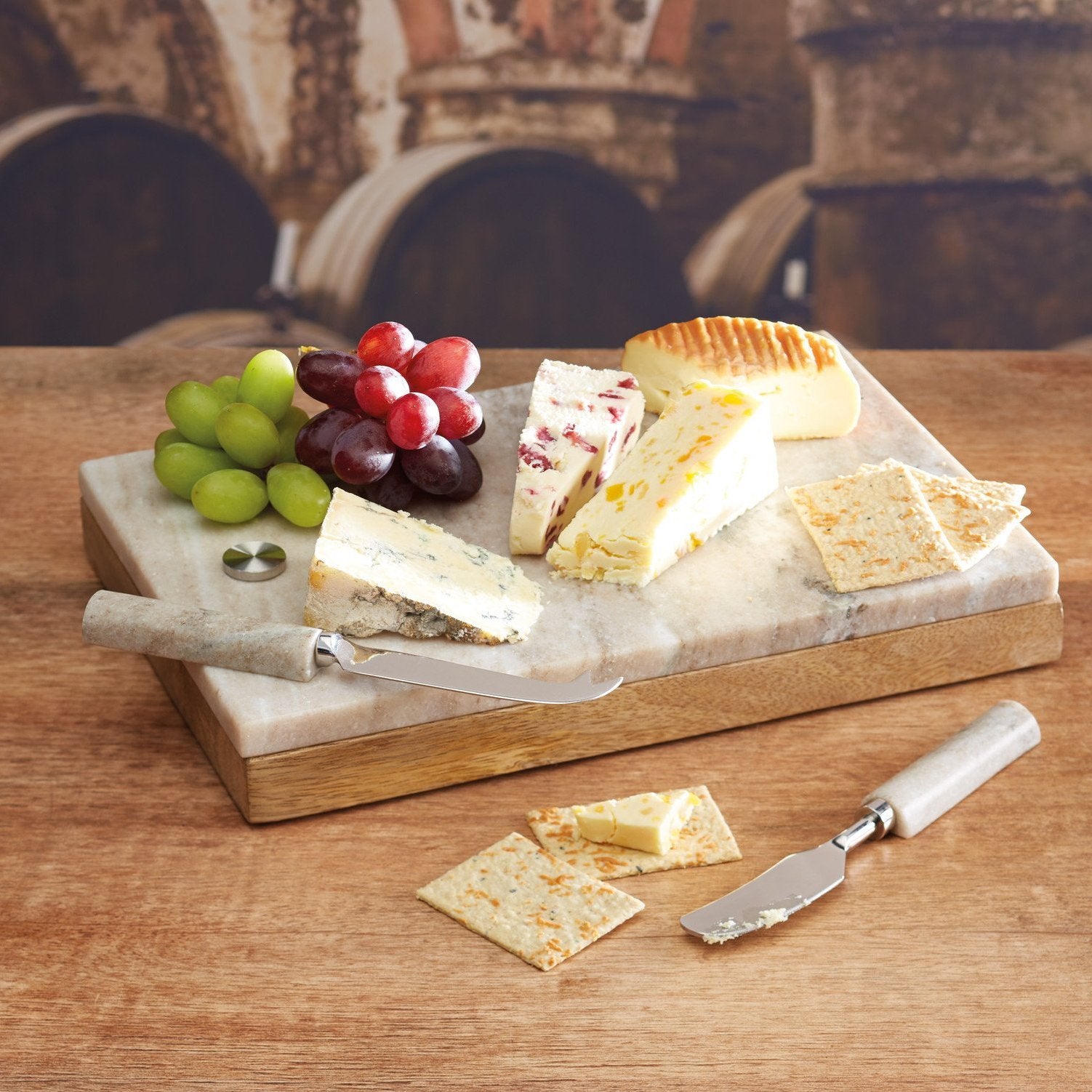
France is famous for the Eiffel Tower, and visiting and capturing its beauty is one of the goals of many people when traveling to the Hexagon. Besides the majestic landscapes, this country is also famous for its delicious wines and foods, and one of these famous foods is cheese. In fact, the French consume the largest amount of cheese (25.9 kg) per person per year than any other country in the world!
French cheese is a perfect combination with wine, but it also goes well with famous pastries, especially the baguette.
Early History of French Cheeses
In the Neolithic era, there was an abundant amount of milk from farm animals, and people could not consume it all before it turned sour. It is likely that cheeses began as an experiment or an accident from spoiled milk. This probably led to the early development of cheese-making in France.
During the Middle Ages in France, cheese making was practiced and developed in French monasteries. It is said that the monks were the ones who taught farmers how to care for animals and how to keep milk clean. They also discovered that rubbing a small amount of salt on cheese would make it more flavorful. As farmers began to learn how to cure and age milk, French cheeses began to flourish. During this period, farmers began to form a dairy association in the alpine regions of France.
Two Types of Origins for French Cheese
Today you will find that cheese in France comes from two main origins – fermiers and industriel. Fermiers are cheeses that are produced directly on the farm where milk is also produced, artisanally, while Industriel are cheeses manufactured industrially in a factory.
Regionally produced cheeses receive the "Appellation d’Origine Contrôlée" (AOC) status which certifies that the cheese is produced in that region of France. Many of these are very famous. Here is an overview of the major regions and the cheeses produced.
Normandie
According to a local legend, Marie Harel (a French cheesemaker) along with Abbot Charles-Jean Bonvoust were French cheesemakers at the Beumoncel manor and invented the Camembert cheese originating from the Normandie region.
Camembert is very famous in France, and Camembert de Normandie is a well-known cheese from that region, with AOC status certifying its authenticity and quality. It is mainly made from unpasteurized cow's milk, although there is also Camembert cheese from Normandy made from pasteurized milk. Camembert is a soft cheese that has a chalky and soft texture, with a pale yellow color. It has an earthy but creamy, milky, and sweet flavor. The rind of the cheese is bloomy and is meant to be eaten along with the cheese.

Franche Comte
Comte is an old cheese produced during Charlemagne's time, from the eastern region of France. The preparation of Comte cheese requires a lot of milk and has a long maturation period, having a caramelized and nutty flavor. It can be cut into cubes to serve as an appetizer or it can be grated and melted in fondue!

Haute-Savoie
The Savoie region in the Alps has a lot of cheeses to offer! Alongside the legendary Beaufort, Reblochon, and Raclette, other varieties such as: Tomme de Savoie, Tome des Bauges, Chevrotin, Emmental de Savoie, Tamié, are vying for the top spot! Creamy or with a molded rind, sliced on a cold cheese platter or melted in a raclette or fondue machine, you must try them all!

Raclette de Savoie is one of the most popular cheeses in the Savoie region of France and the canton of Valais in Switzerland. It takes its name from the verb "racler," meaning to scrape, which describes how people used to serve this cheese in its early days. Raclette is a semi-soft cow's milk cheese, which can be pasteurized or unpasteurized, with a slightly sticky, dark beige rind and a light yellow paste. It has a pleasant aroma, but becomes especially flavorful when heated in front of a fire or under a special machine (raclette machine), and only then does the full aroma intensify.

Another well-known cheese from Savoie is Reblochon. A semi-hard, pressed cheese, weighing about 500 grams, made from unpasteurized cow's milk that must ripen for at least 15 days in the Savoie and Haute-Savoie departments of France. Reblochon has a yellow to orange rind with an ivory body inside. Its rind is edible, and the taste of the cheese is nutty and slightly fruity. The smell is intense and reminiscent of the cellars where it matured. It melts easily and tastes great on baked potatoes, being used in the preparation of Tartiflette! According to an old story, it exists because a farmer turned milk into cheese to hide some of his milk production in an effort to reduce the "milk taxes" he paid to the pasture owners.

Abondance
Abondance is a semi-cooked, pressed cheese, made with unpasteurized milk from Abondance, Montbéliarde, and Tarine cow breeds. Easily recognizable by the concave edge of its orange crust, Abondance is much smaller than other similar cooked cheeses and must mature for at least 100 days. It has a very soft paste and melts in the mouth, while the flavor is slightly bitter, reminiscent of fresh lemons and warm spices. This cheese is best paired with a glass of dry white wine and is usually served with apples and pickles, but is also often used in fondue.

As you've noticed, French cheeses are made with a lot of effort, have a rich history behind them, so they deserve to be treated and served in ways that suit them.
We invite you to discover cheese serving utensils and platters at Eclair: here


Share:
How to choose a kitchen knife set
A Little About the History of Pancakes